
Introduction
Growth is usually viewed as a positive sign for an accounting practice. More enquiries, new clients and expanding service lines should create momentum. Yet growth can quickly become uncomfortable when the delivery team is already operating at full capacity. What appears to be a sales opportunity can turn into a workload problem, with longer hours, slower turnaround and increasing pressure on reviewers.
The real question is therefore not only whether your firm can win more work, but whether it can absorb and deliver that work consistently. Understanding capacity—and building it before the pressure becomes urgent—is one of the most important foundations of sustainable practice growth.
The Signs That Capacity Is Restricting Growth
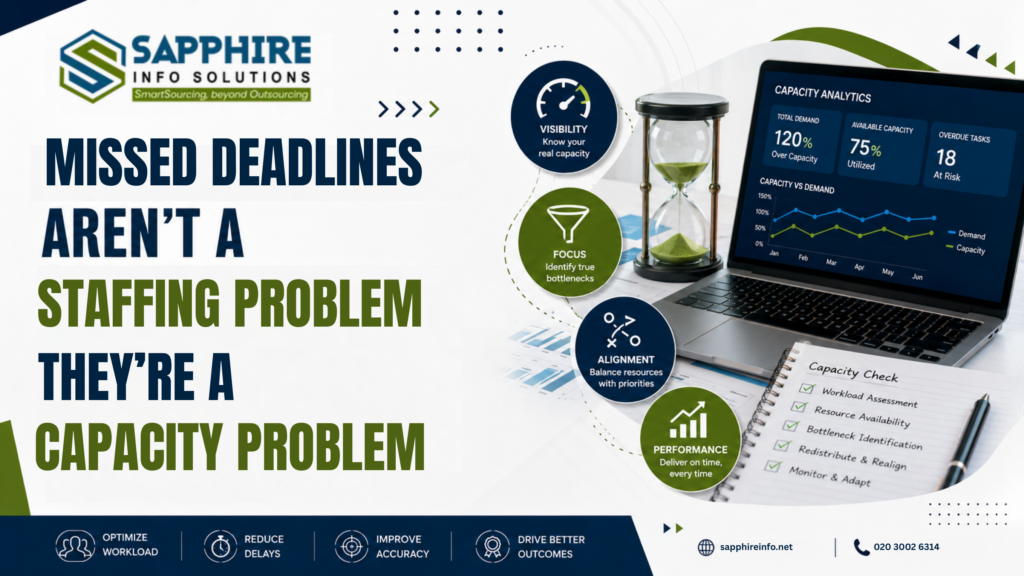
A capacity problem is not always obvious. The team may still meet statutory deadlines, but only through overtime, constant reprioritisation and significant partner involvement. Senior accountants may spend their days completing routine preparation rather than reviewing complex work or speaking with clients. Review queues grow, internal target dates slip, and business-development activity is repeatedly postponed.
Other warning signs include turning away suitable prospects, delaying the introduction of new services and depending heavily on a small number of employees. These symptoms suggest that the practice has little operational headroom. Even a modest increase in client numbers, staff absence or unexpected project can disrupt the entire workflow.
Why Recruitment Alone May Not Solve the Problem
Recruitment remains important, but adding headcount does not automatically create effective capacity. Hiring can take months, particularly when the firm needs people with relevant accounting experience. New employees then require onboarding, software access, technical training and management support before they become fully productive.
The underlying workflow also matters. If responsibilities are unclear, preparation standards vary or senior people remain involved in low-value tasks, the same bottlenecks may continue after a new employee joins. Practices need to consider how work is structured and who should perform each stage—not simply how many people appear on the organisation chart.
Create Capacity by Realigning the Work
A practical starting point is to separate work into preparation, review, client communication and advisory activities. Routine, repeatable production work can be allocated to trained support professionals, while internal managers retain review responsibility, client ownership and final control.
Bookkeeping, VAT preparation, year-end accounts, tax-return preparation, payroll and management reporting can all be supported through defined workflows. The aim is not to transfer responsibility blindly. It is to build a structured extension of the practice that follows agreed templates, deadlines and quality expectations.
How Outsourcing Supports Sustainable Growth
Outsourced accounting support allows a firm to add delivery capacity without waiting for a complete in-house recruitment cycle. It can be used to clear a backlog, strengthen a specific service line, support seasonal peaks or establish an ongoing team for recurring work.
When production work progresses consistently, internal professionals regain time for reviews, client conversations and practice development. The firm can consider new opportunities with greater confidence because growth is supported by a more flexible delivery model rather than continued overtime.
Build Capacity Before It Becomes Urgent
Capacity planning is most effective when it takes place before deadlines begin to slip. Review expected client growth, seasonal volumes, available preparation hours and reviewer capacity. Identify the services creating the greatest pressure and decide which activities must remain in-house and which can be supported externally.
Sapphire Info Solutions works with UK accounting firms as an extension of their teams, combining trained accounting professionals, structured delivery processes and technology-enabled support. This helps practices create room for growth while retaining visibility, quality control and client ownership.
Questions to Ask During a Capacity Review
A useful capacity review should go beyond asking whether employees feel busy. Examine the number of jobs entering each service line, the realistic productive hours available and the time reserved for review. Look at how frequently internal deadlines move, which clients require disproportionate follow-up and how much senior time is spent on corrections. This creates an evidence-based view of where capacity is being lost.
The review should also connect operations with the growth plan. If the firm expects to add clients, acquire another practice or expand advisory services, translate that ambition into preparation and review hours. Capacity should be designed around the practice the leadership team wants to build, not only the workload it has today.
Final Thoughts
Limited capacity can quietly restrict revenue, client service and employee development. The solution is not always another urgent hire. By improving workflows and introducing the right support at the right stage, accounting firms can create a scalable model that protects both quality and people.
If your practice is ready to grow but your team has little room to take on more work, book a conversation with Sapphire Info Solutions to discuss your capacity requirements.